From rural acreage to suburban lots, barndominium manufactured homes and prefab home designs are redefining what affordable homeownership looks like. Though they’re often grouped together in conversations about affordability and modern construction, they aren’t exactly the same thing.
Both offer smart, efficient ways to build a home faster and often at a lower cost than traditional site-built construction. However, the design, construction process, and lifestyle they support can be very different. If you’re weighing your options, here’s what you need to know.
What Are Barndominium Manufactured Homes?
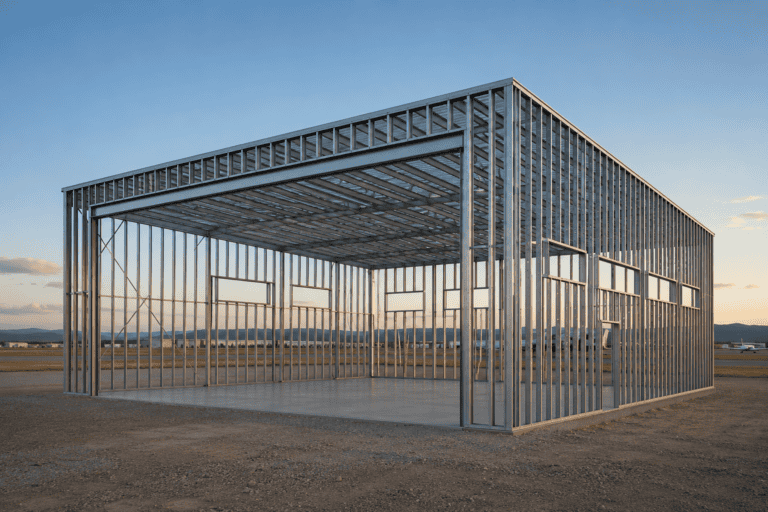
Barndominium manufactured homes combine the open, barn-inspired aesthetic of a barndominium with the streamlined construction process of a manufactured home. Traditionally, a barndominium is a metal building converted into a residential space. They’re known for high ceilings, open floor plans, exposed beams, and a blend of rustic and modern design.
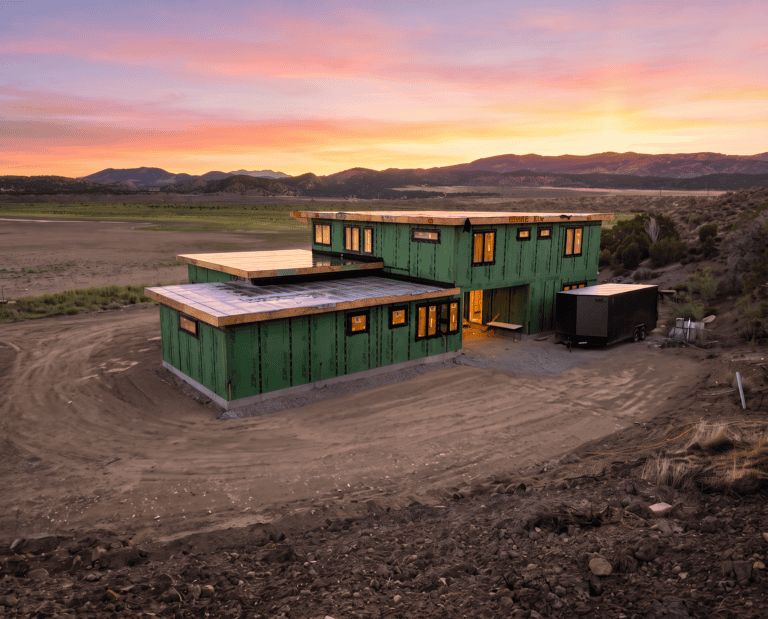
When you pair that style with manufactured construction, you get a home that is built in a factory setting and transported to the site for installation. Because these homes are constructed indoors under controlled conditions, weather delays are minimized and quality control is often more consistent.
Barndominium manufactured homes are especially appealing for buyers who want:
- Wide-open living spaces
- Flexible floor plans
- A mix of industrial and farmhouse design
- Lower construction timelines
- Potential cost savings compared to custom builds
They also tend to work well on rural or semi-rural properties where larger lots allow the structure to stand out and shine.
What Is a Prefab Home?
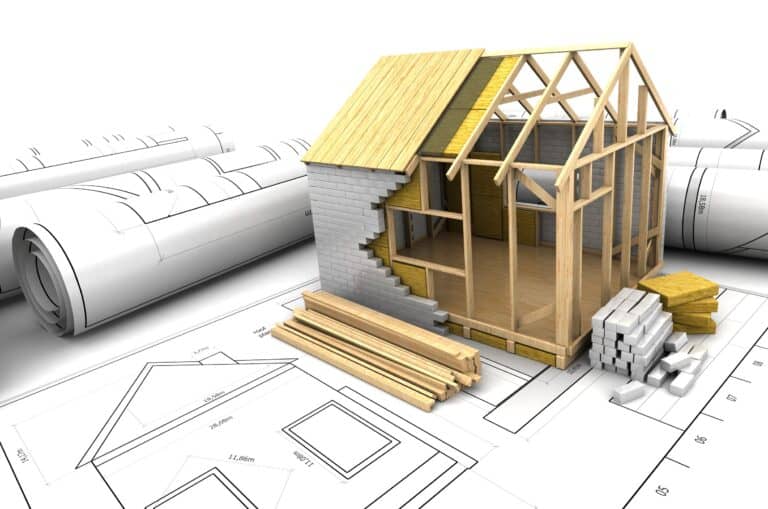
A prefab home, short for prefabricated home, refers to any home that is built in sections in a factory and then assembled on-site. This category includes manufactured homes, modular homes, and panelized homes.
The key idea behind prefab home kits is efficiency. Instead of building everything from scratch at the job site, major components are constructed off-site in a controlled environment. Once delivered, the sections are assembled on a permanent foundation.
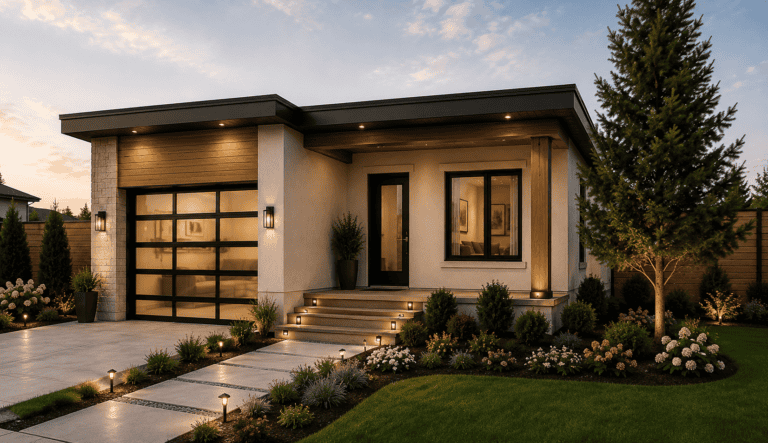
Prefab homes have come a long way from the outdated stereotypes of the past. Today’s prefab home designs can be sleek, modern, traditional, or fully customized. Many offer energy-efficient materials, smart home integration, and design flexibility that rivals conventional construction.
Benefits of Choosing a Prefab Home
There are several reasons buyers are increasingly drawn to prefab home construction:
- Faster build times. Because construction happens in a factory while site preparation occurs simultaneously, timelines are often significantly shorter.
- Cost predictability. Factory-built homes typically involve fewer change orders and weather-related delays, which helps control overall costs.
- Quality control. Indoor construction reduces exposure to moisture and extreme temperatures during the building process.
- Energy efficiency. Many prefab home manufacturers prioritize tight building envelopes and modern insulation standards.
For buyers looking for an efficient path to homeownership without sacrificing style, prefab home kits can be a compelling option.
How Barndominium Manufactured Homes Fit Into the Prefab Category
It’s important to understand that barndominium manufactured homes are technically a type of prefab home. Since they are built in a factory and delivered to the property, they fall under the broader prefabricated umbrella.
However, the main distinction lies in the design aesthetic and structural approach. Barndominiums typically emphasize open-concept living, vaulted ceilings, metal exteriors, and a barn-like silhouette. Traditional prefab home designs may follow more conventional suburban architecture.
If you love the idea of a large workshop attached to your living space, oversized garage doors, or expansive covered porches, a barndominium manufactured home may be the perfect fit. If you prefer a more classic curb appeal with traditional rooflines and layouts, a different prefab home style might suit you better.
Financing and Zoning Considerations
Before choosing between barndominium manufactured homes and other prefab home options, it’s essential to research local zoning laws and financing requirements.
Manufactured homes are typically built to federal HUD standards, while modular prefab homes are constructed to local building codes. This distinction can affect loan eligibility, property taxes, and resale value.
Some lenders treat manufactured homes differently than modular prefab homes, so working with a lender experienced in factory-built housing is key. Additionally, certain neighborhoods or municipalities may have restrictions on manufactured housing, while allowing modular prefab homes more freely.
Understanding these factors early can prevent surprises down the road.
Is a Barndominium Manufactured Home Right for You?
Choosing between barndominium manufactured homes and another type of prefab home ultimately comes down to lifestyle and priorities.
If you value open space, durability, and a bold architectural style, a barndominium design may align with your vision. They are particularly popular with homeowners who want room for hobbies, storage, or integrated workshop space.
On the other hand, if your goal is a streamlined, contemporary home with flexible design options and broad neighborhood acceptance, a modular prefab home might be the better route.
The good news is that both options offer faster build times, controlled construction environments, and potential cost savings compared to traditional site-built homes.
A New Era of Factory-Built Living
The housing market continues to evolve, and factory-built options like barndominium manufactured homes and prefab home designs are becoming more mainstream every year. They offer efficiency, affordability, and modern design in ways that challenge old assumptions about alternative housing.
Whether you’re drawn to the rustic charm of a barn-inspired layout or the clean lines of a contemporary prefab home, today’s options provide more flexibility than ever. By understanding the differences and benefits of each, you can confidently choose the path that best fits your land, budget, and long-term lifestyle goals.