Sun‑soaked kitchens. Spa-style bathrooms. Statement staircases. Cozy reading nooks.
For most homebuyers, “custom” conjures images of freedom. It’s the ability to shape a home around the way they live, not the other way around.
What may surprise most people is that every one of those features is possible in a modular home. The idea that modular homes are limited or cookie‑cutter is one of the biggest misconceptions in the industry. In reality, today’s modular home customization options are far more flexible, design‑forward, and lifestyle‑friendly than most people expect. While modular homes may not be a blank-slate free‑for‑all, they’re definitely not the rigid, pre-set boxes some people imagine.
So, if you’re wondering whether a modular home could feel truly “you” and just how adaptable they are to your lifestyle, budget and aesthetic preferences, it helps to understand where there are limits, and where your options are remarkably wide open.
The Myth of the “Prefab Box”
A lot of the skepticism around modular home customization comes from outdated perceptions. Early modular homes were built for efficiency above all else, which meant limited floor plans and minimal design variation. But the industry has evolved dramatically. Today’s modular homes are engineered with precision, but they’re also designed with creativity in mind. Manufacturers know that buyers want personality, comfort, and long-term livability, not just fast construction.
So while modular homes still benefit from the controlled factory environment that makes them efficient and cost-effective, the design possibilities have expanded in ways that surprise and delight most first-time buyers.
What You Can Customize in a Modular Home (Hint: A Lot)
Modular home customization starts with the basics like layout, finishes, and exterior style, but it doesn’t stop there. You can shape the home around your lifestyle rather than squeezing your life into a pre-made template.
Most buyers customize:
- Floor plans: Open-concept living, extra bedrooms, expanded kitchens, multi-suite layouts, and more.
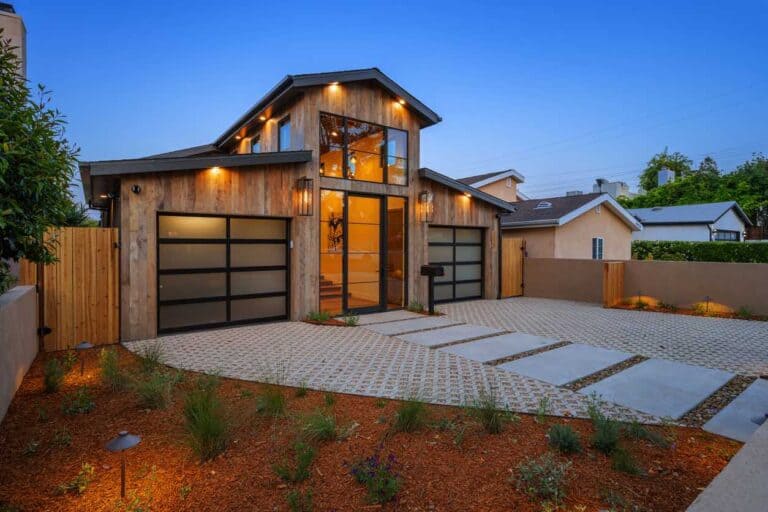
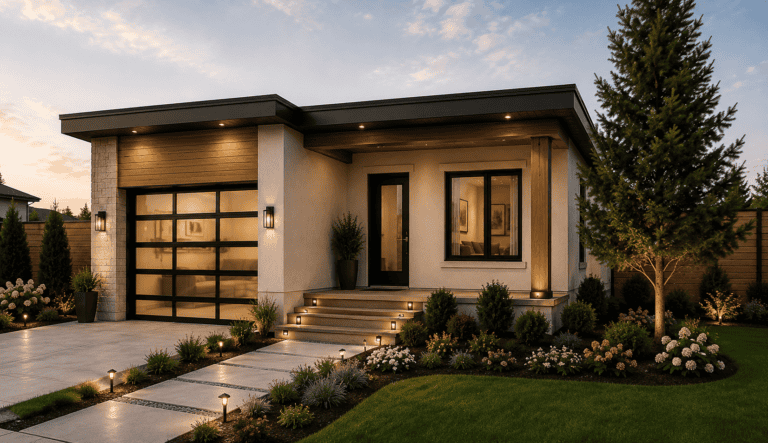
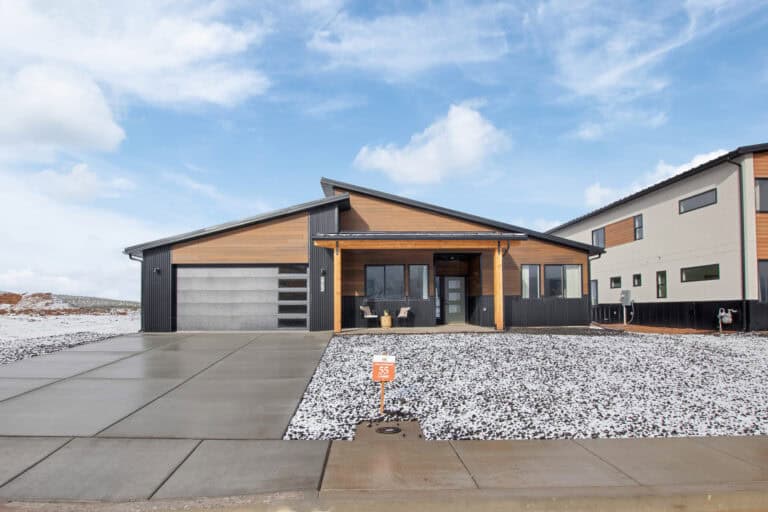
- Exterior architecture: Modern, farmhouse, craftsman, traditional, or hybrid styles.
- Interior finishes: Flooring, cabinetry, countertops, lighting, hardware, and paint colors.
- Energy and tech features: Smart-home systems, upgraded insulation, solar readiness, and high-efficiency HVAC.
These aren’t small tweaks. They’re the elements that define how your home looks, feels, and functions day to day. And because modular homes are built in sections, you can often add or reconfigure modules to create the flow you want.
Where Modular Home Customization Has Limits
Now, modular homes aren’t a blank canvas in the same way a fully custom site-built home might be. There are structural and logistical realities that shape what’s possible. Modules must be engineered to withstand transportation, which means certain spans, rooflines, or ultra-complex shapes may not be feasible. And because the home is built in a factory, the manufacturer typically offers a curated set of materials and finishes rather than an endless catalog.
But here’s the important part: these boundaries don’t usually feel restrictive. They’re more like guardrails that keep the process efficient, affordable, and structurally sound. Most homeowners find that within those parameters, they can still express their style and create a home that feels deeply personal.
The Sweet Spot: Semi-Custom Design
If you’re drawn to the idea of custom modular homes, you’re probably looking for a balance—something that gives you creative control without the overwhelm or expense of starting from scratch. That’s exactly where modular homes shine.
Think of it as semi-custom design with a strong backbone. You start with a proven floor plan or structural concept, then tailor it to your needs. Want a bigger kitchen island? Done. Prefer a spa-like primary bathroom? Easy. Need a home office, mudroom, or multi-generational suite? Those are common requests modular builders handle every day.
This approach gives you the best of both worlds: personalization without chaos, creativity without spiraling costs, and a home that reflects your priorities rather than someone else’s.
Why Modular Homes Are Ideal for Thoughtful Customization
One of the biggest advantages of modular homes is the precision of the building process. Because everything is constructed indoors, materials stay protected, timelines stay predictable, and craftsmanship remains consistent. That consistency actually supports customization because it ensures your design choices are executed cleanly and reliably.
Since modular homes are engineered with efficiency in mind, you can often invest more of your budget into the features that matter most to you. Instead of spending extra on weather delays or labor overruns, you can put your dollars toward upgraded finishes, better appliances, or architectural enhancements.
How to Get the Most Out of Modular Home Customization
If you want your modular home to feel truly custom, the key is collaboration. Work closely with your builder early in the process so they understand your priorities. Bring inspiration photos, talk through your lifestyle, and be honest about what you want your home to solve for you.
A few tips that make a big difference:
- Start with a floor plan that’s close to your ideal layout.
- Prioritize the spaces where you spend the most time.
- Choose finishes that reflect your long-term style, not trends that fade quickly.
- Ask your builder where customization has the biggest impact for your budget.
When you approach the process with clarity and curiosity, you’ll find that modular home customization is more flexible than you might expect.
Checking All the Boxes
Most homebuyers will find that modular homes are custom enough to feel like a home built just for you, but structured enough to keep the process smooth, predictable, and cost-effective. Modular homes offer a refreshing middle ground with the freedom to personalize without the stress of reinventing the wheel.
If you want a home that reflects your taste, supports your lifestyle, and doesn’t require a year of construction chaos, modular homes are absolutely worth exploring. They’re modern, adaptable, and far more customizable than their reputation suggests—and that’s exactly why so many homeowners are choosing them.